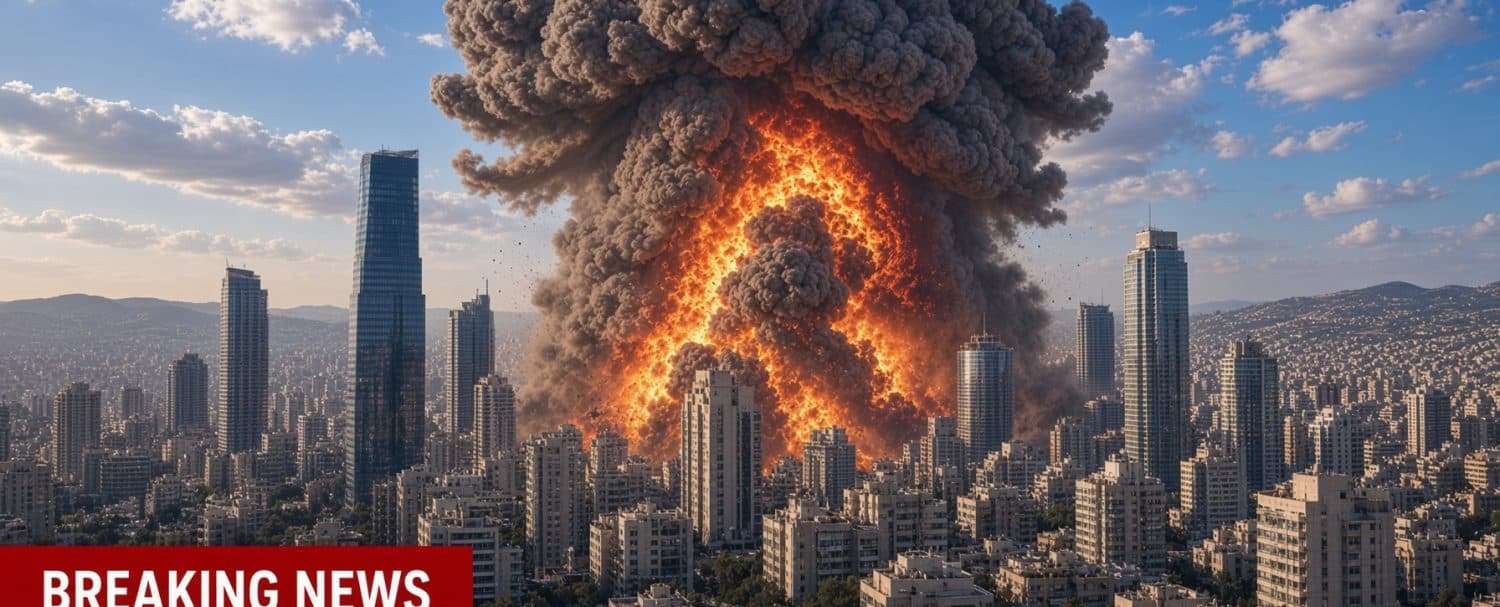
Israel and the US launched an unprecedented military campaign against Iran on February 28, 2026, targeting infrastructure and killing leaders.
For decades, Israeli military and intelligence agencies have warned of the potential threat posed by a nuclear-capable Iran. The specter of a nuclear-armed neighbor has influenced Israel’s defense strategy, diplomatic priorities, and covert operations for more than twenty years. Diplomacy, targeted strikes, cyber operations, and intelligence-gathering were all employed to slow what Israeli officials considered an existential threat. Yet on February 28, 2026, Israel and the United States transitioned from containment to full-scale military action. The resulting offensive is now being recognized as the most significant Israeli military campaign since the nation’s founding. Entering its fourth week, the operation has transformed the geopolitical landscape of the Middle East and caused thousands of casualties throughout the region. This report examines the events, motivations, and consequences of the ongoing campaign.
Months of careful planning preceded the February 28 offensive. Following the twelve-day conflict of June 2025 – during which Israeli and U.S. forces struck and significantly degraded Iran’s nuclear infrastructure – intelligence agencies continued to monitor Iran’s efforts to rebuild missile capabilities and stockpile enriched uranium. By late 2025, Israeli military intelligence concluded that Iran was nearing a nuclear capability that would be increasingly difficult to counter. Compounding these concerns, a popular uprising erupted in Iran in January 2026, only to be violently suppressed by the government. For Israeli planners, this represented a rare strategic opportunity: Iran was internally weakened, and its regional influence appeared temporarily diminished.