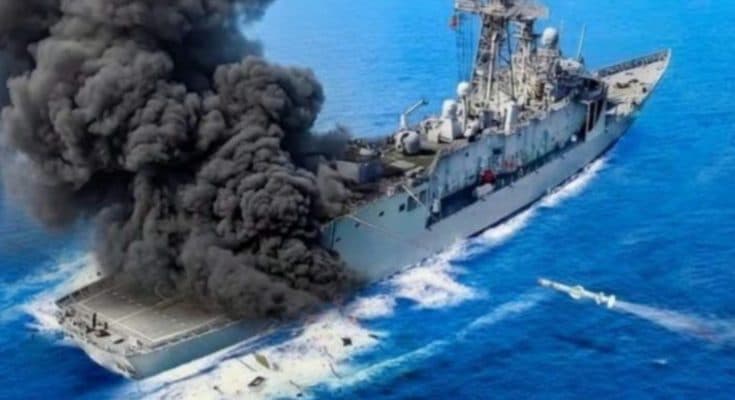
In the narrow waters of the Strait of Hormuz, a tense standoff unfolded. Iran believed it had devised the perfect ambush.
In the narrow waters of the Strait of Hormuz, a tense standoff unfolded. Iran believed it had devised the perfect ambush. Thirty-two anti-ship missiles were poised for launch, aimed directly at a U.S. aircraft carrier. With four thousand seven hundred lives on the line and only three minutes and forty seconds to impact, the stakes could not have been higher. This scenario, while fictional, serves as a striking reminder of the complexities and dangers of modern naval warfare. As we delve into this high-intensity military analysis, we explore how layered missile defense, electronic warfare, and overwhelming retaliation can transform a carefully planned strike into a total strategic collapse in just thirty-two minutes.
The Strait of Hormuz is a critical chokepoint through which a significant portion of the world’s oil supply passes. Its strategic importance cannot be overstated, making it a hotspot for geopolitical tensions. In this scenario, Iran’s military strategy was predicated on the belief that a surprise attack could yield a decisive victory against a formidable adversary. However, as history has shown, engaging a U.S. Navy carrier strike group is not merely about launching missiles; it is about understanding the broader implications of such an action.